The first problem
Every year, heavy industries mine billions of tonnes of virgin minerals.
Steel and cement plants alone consume around 1.6 billion tonnes of virgin mineral raw materials every year, and roughly 55% to 60% of that material is not retained in the final product but ends up as by-products or waste streams.
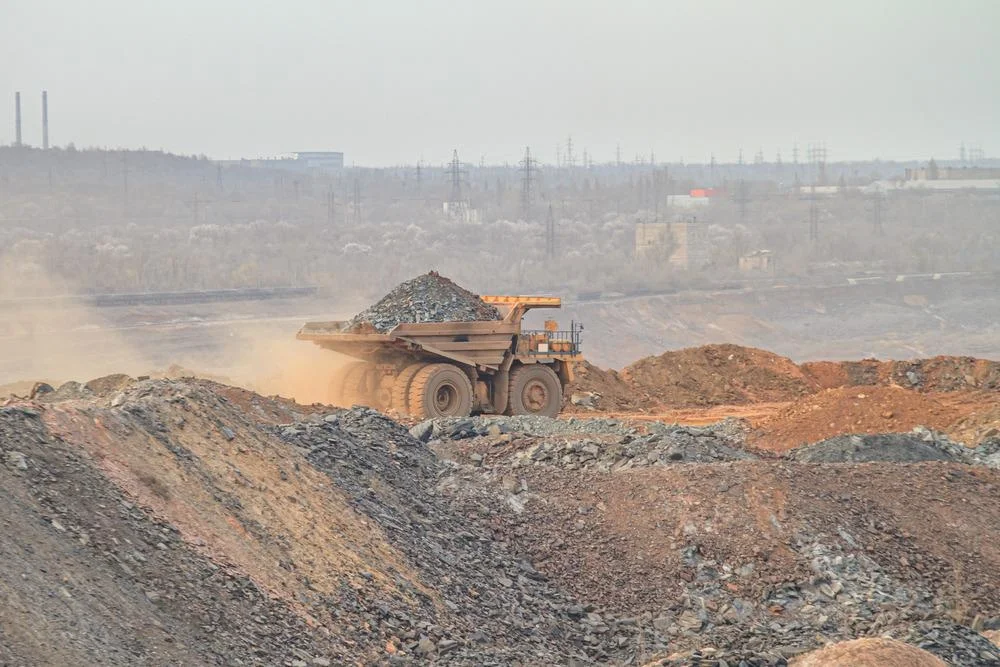
Mining
A medium-sized steel plant can generate 1,000–1,200 tonnes of mine tailings every day, roughly 15% of the iron ore it processes. Most of these tailings are stockpiled, landfilled or sold for negligible value, despite still containing valuable minerals.
Steel
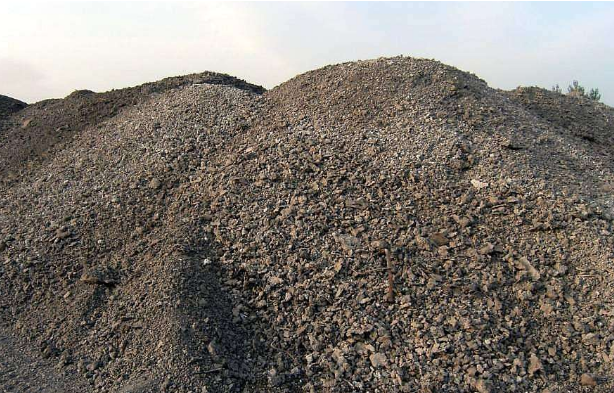
Steelmaking (BOF) slag accounts for approximately 30% of crude steel production by weight. ~30% of this slag remains underutilised, accumulating in stockpiles or being used in low-value applications instead of recovering its mineral value.
Cement
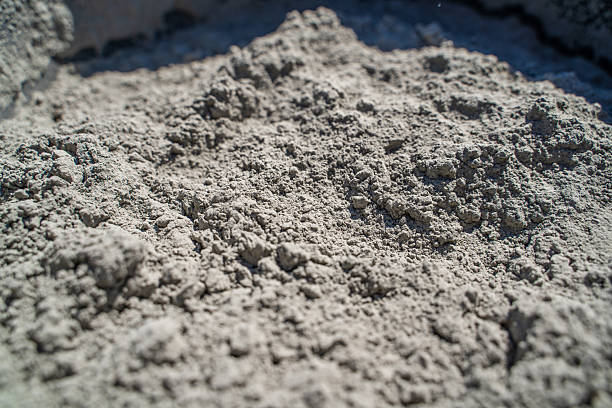
Cement plants also produce significant quantities of cement kiln dust (CKD). Approximately 35% of CKD remains unused, creating an additional waste management challenge while valuable mineral content is discarded.
We're mining more while throwing away what we've already mined.
The second problem
Heavy industries are the largest emitters of carbon dioxide & <1% is captured globally.
Every year, 37.8 billion tonnes of CO₂ are released into the atmosphere. Heavy industries such as steel and cement account for <15% of these emissions, making them among the hardest sectors to decarbonise.
Despite growing investment in carbon capture, less than 1% of global CO₂ emissions are captured (a widely cited estimate places this at just 0.12% in 2020).
That leaves over 99% of emissions entering the atmosphere every year, accelerating climate change.
But even for the small fraction that is captured, another challenge remains. Most captured CO₂ has no scalable economic destination. Today's CCUS model is largely linear.
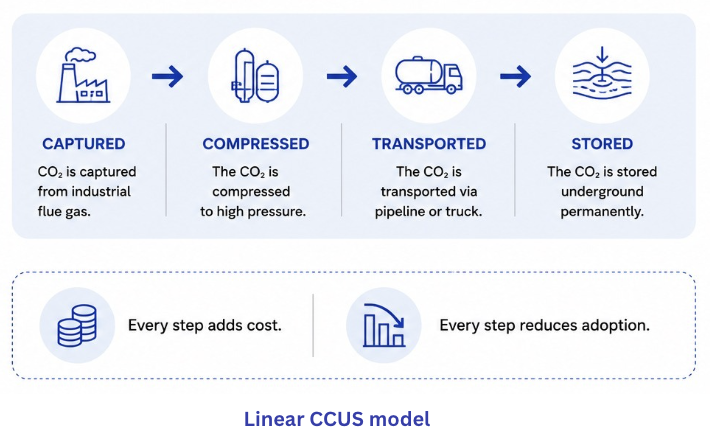
Carbon dioxide shouldn't end the journey underground. It should start a new one.
The Solution
Why us?
We are working with top researchers in the field and have partnered with the industry leaders to develop this one-of-ts kind technology.
Our core process & its parameters have been rigorously tested and developed in partnership with the pioneer researchers from UK & Australia.
At Carbon Matter, we understand that every waste is different. So, even though we have a generalised process, we fine-tune certain aspects so that you get the best results for your own unique waste system.
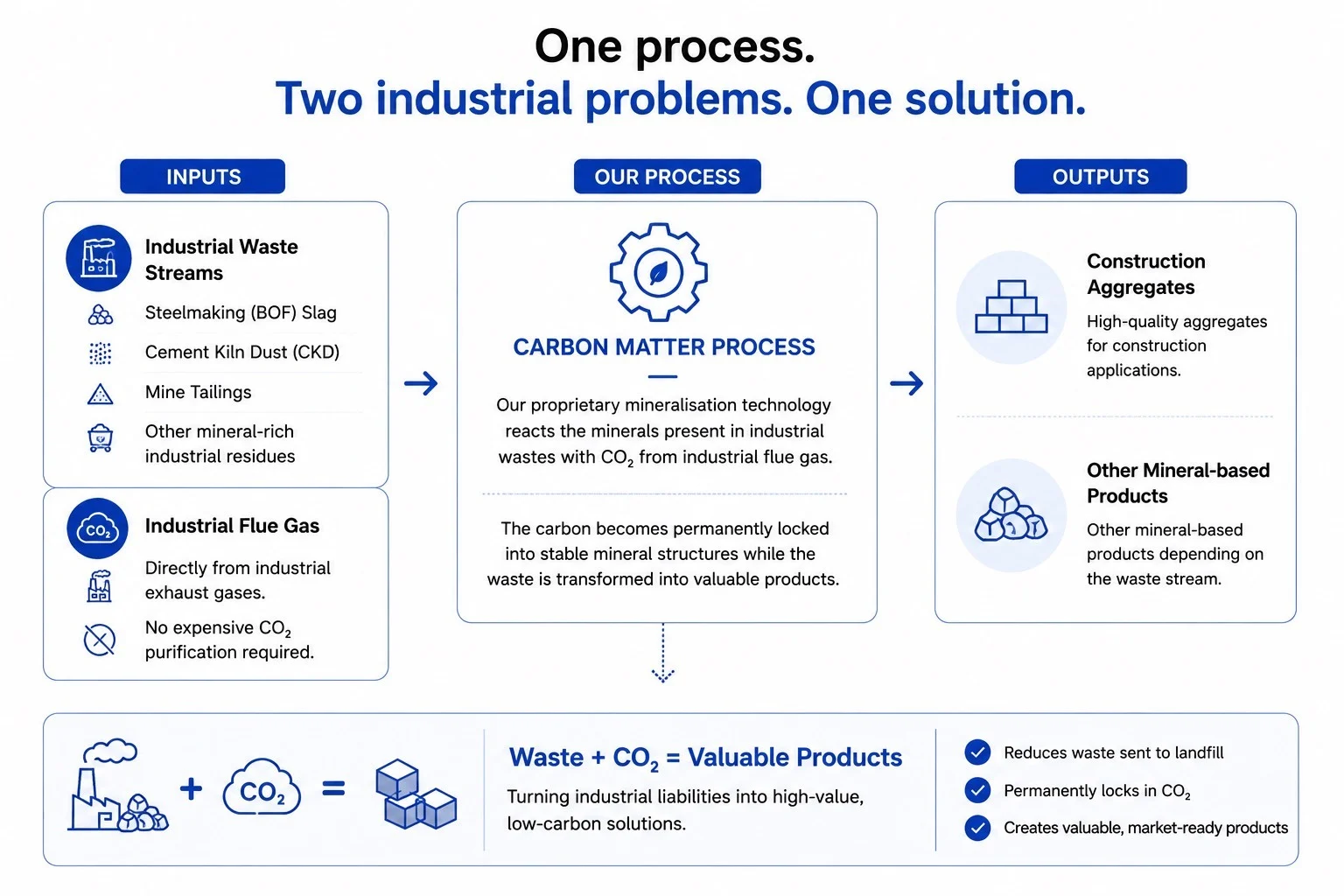
Our processes are developed using two of the most highly produced waste streams in the industries - carbon dioxide and solid waste like slag, CKD and dust. We use industrial flue gas directly to turn the solid wastes into aggregates, the second most used material in the world.
CO₂ from the flue gas is directly used to carbonate the aggregates without the usage of any complex solvents, bringing down the cost and making the process profitable.
Investor & industrial partnership inquiries
We partner with heavy industry operators, utilities and climate investors to deploy point-source capture at scale. Let's decarbonise your facilities.
investor ready · technical depth · industrial scale